
If the muscle–fat ratio is right, the brain stays active: the risk of diseases decreases. Being thin alone isn’t enough; the correct balance of muscle and fat is necessary for a healthy body.
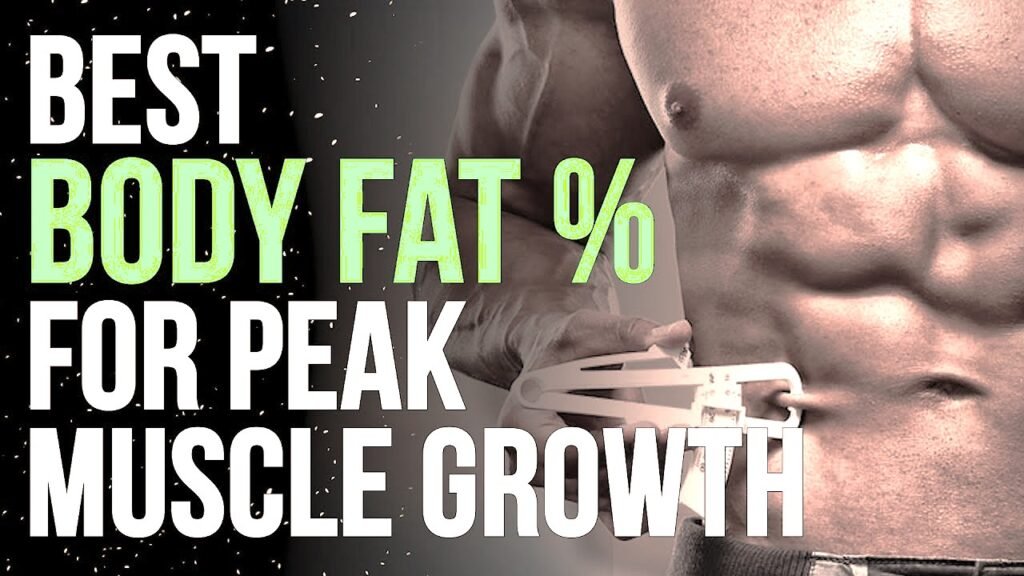
If I ask you, “Are you fit or not?”, you might answer by considering your weight as the measure. But wait a moment… weight alone does not tell the full story of your health.
The real measure of fitness is the ratio of muscles and fat in your body. An interesting thing is that if this ratio stays balanced, it has a positive effect on brain health.
According to a study recently published in the Journal of the Alzheimer’s Association, the muscle-fat ratio of our body is an indicator of brain health. If the proportion of muscle in the body is higher than fat, brain functioning remains better.
So in we will understand what the muscle-fat ratio is.
How does the muscle-fat ratio affect brain health?
What should be done to keep this ratio balanced?
Question – What is the muscle-fat ratio?
Answer – The body is mainly made up of muscles and fat. A person’s health is determined by the ratio between them, i.e., what percentage of the body is fat and how much is muscle. This ratio is called the ‘muscle-fat ratio.’ It indicates the body’s composition and metabolic health, contributing to a healthy body.
Question – What is the connection between the muscle-fat ratio and the brain?
Answer – We usually think that the brain controls the body. That is, the brain sends signals to the muscles, and they work accordingly. This is true, but the body’s muscles and their activity also send signals back to the brain.
For example, when we exercise, the muscles release certain chemicals (like myokines). These chemicals strengthen brain cells. This improves memory and also reduces the risk of cognitive decline (a decrease in the brain’s functioning ability) with age.
<Question: What does the recent study say about the muscle-fat ratio?
Answer: The study published in the ‘Journal of Alzheimer’s Association’ revealed the following key points:
- The more muscles and the less fat you have in your body, the more active your brain will be.
- Excess fat in the body accelerates brain aging, while muscles slow down this process.
- When muscles increase, not only does the body stay fit, but memory and thinking abilities also remain sharp for a longer time.
- Strong muscles reduce the risk of diseases like Alzheimer’s in the future.
Question: What is the difference between muscle-fat ratio and BMI (Body Mass Index)?
Answer: BMI (Body Mass Index) is a fitness index calculated based on body weight and height. It indicates whether a person falls into the underweight, normal, overweight, or obese category. However, BMI does not reveal whether the body weight comes from muscle or fat.
On the other hand, the muscle-fat ratio indicates the actual ratio of muscles to fat in the body. It is a more accurate measure of body composition.
Question: Why is the muscle-fat ratio important for brain health?
Answer: The muscle-fat ratio is directly linked to brain functioning.
- Maintaining this balance keeps hormones balanced.
- It helps control stress hormones (cortisol).
- A better muscle-fat ratio improves blood circulation.
- Oxygen and nutrients reach the brain in proper amounts.
- Inflammation in the body remains low.
- The risk of brain aging and memory loss decreases.
<Question- If the body has high fat and low muscle, what damage does this cause to the brain?
Answer- It affects the brain in several ways–
Excess body fat, especially visceral fat (belly fat), increases low-grade inflammation in the body. This inflammation can gradually affect the brain.
Having low muscle reduces insulin sensitivity. This can cause fluctuations in blood sugar.
Over time, this negatively impacts brain function.
In such a condition, there is an increased risk of weakened memory, reduced focus, and cognitive decline (weakening of brain functioning) with age.
<Question– What are the reasons for a decrease in muscle ratio in the body?
Answer– A decrease in muscle ratio means that muscles in the body are decreasing and the fat portion is increasing. The reason is not just age, but also lifestyle, hormonal changes, diseases, and side effects of certain medications.
Does increasing muscles slow down the speed of brain aging?
Answer: It cannot be said directly that increasing muscles stops brain aging, but strong and active muscles definitely support brain health.
Muscles are active tissues. They release chemicals like myokines, which can help reduce inflammation and aid in forming connections between brain cells.
Does a high-protein diet directly benefit brain health?
Answer: When we eat protein, the body breaks it down into smaller parts called amino acids. These amino acids help make chemicals in the brain that transmit messages between brain cells. Because of these chemicals:
- Cognitive performance improves.
- Mood remains stable.
- Focus increases.
- Brain cells are repaired.
- Aging slows down.
- Energy levels remain steady.
- Neurotransmitters stay balanced.
How can we tell if our body has a high fat ratio?
Answer: Some specific signs and tests help with this:
- The most accurate method is to measure body fat percentage.
- For this, a DEXA scan (a type of X-ray), a BIA machine, or a skinfold test is done. These three are essential tests to determine body fat.
- Excess fat around the abdomen can also indicate a high fat ratio.
- If the waist measurement is high, abdominal fat may be excessive.
- If the waist is more than half of your height, it is considered a risk indicator.
- Getting easily out of breath or feeling weak while climbing stairs can also indicate high fat and low muscle mass.
What should our diet be like to maintain a balanced muscle-fat ratio?
Answer: To maintain a better muscle-fat ratio, a balanced diet is essential. The diet should include high-quality protein, healthy fats, plenty of fiber, and complex carbohydrates.
How should our overall lifestyle be to keep the muscle-fat ratio balanced?
Answer: Let’s understand all the essential points below:
Manage stress.
Exercise regularly.
Do strength training.
Avoid sitting for long periods.
Follow a protein-rich diet.
Reduce refined carbs.
Decrease sugar intake.
Do not eat ultra-processed foods.
Limit sugary drinks and packaged foods.
Do not drink alcohol.
Do not smoke.
Get a full 8 hours of sleep.
Reduce screen time.